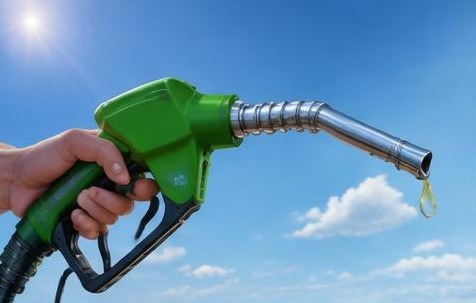
An everyday source of lead exposure has disappeared worldwide: leaded petrol for cars has no longer been sold since July 2021. This success came through technical changes and a long-standing international partnership. It removes neither existing contamination nor every source of lead, but shows how an avoidable environmental burden can be systematically brought to an end.
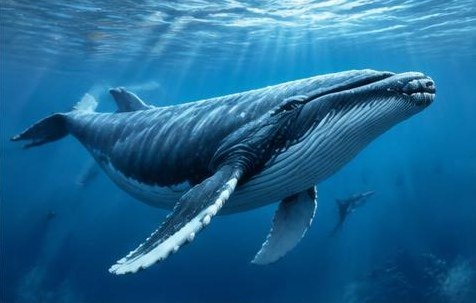
Several humpback whale populations have recovered significantly since intensive hunting ended. In 2016, the US ocean agency NOAA was able to remove nine of fourteen distinct populations from its special threatened-species list. This was a significant milestone, but not a global all-clear: other populations remained threatened, and new pressures still need to be monitored.
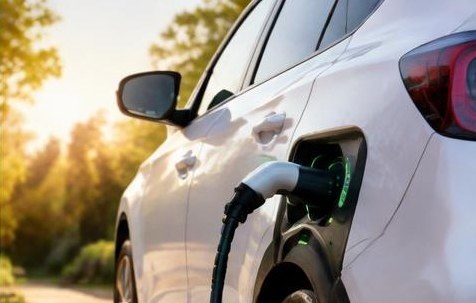
Electric cars have long been more than a small niche market. For 2024, the International Energy Agency documents more than 17 million sales and a growing vehicle fleet. Particularly telling is the oil consumption already displaced. At the same time, raw material requirements, the source of electricity and the still-large number of conventional cars remain important parts of an honest environmental assessment.
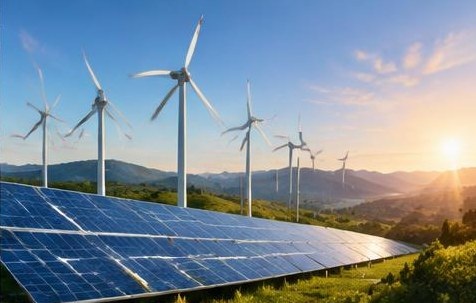
The expansion of renewable electricity generation reached a documented record in 2024. Worldwide, 585 gigawatts of capacity were added, reports the International Renewable Energy Agency. The figures show technological and economic momentum. They do not, however, mean that an equivalent amount of electricity was generated or that all regions of the world benefit equally from the expansion.
Daily AI research begins at 6 am Berlin time. Up to three recent stories per topic are summarised in our own words and linked to original sources. No politics.
Saturday, 31 October 2026
AI illustrationGood News
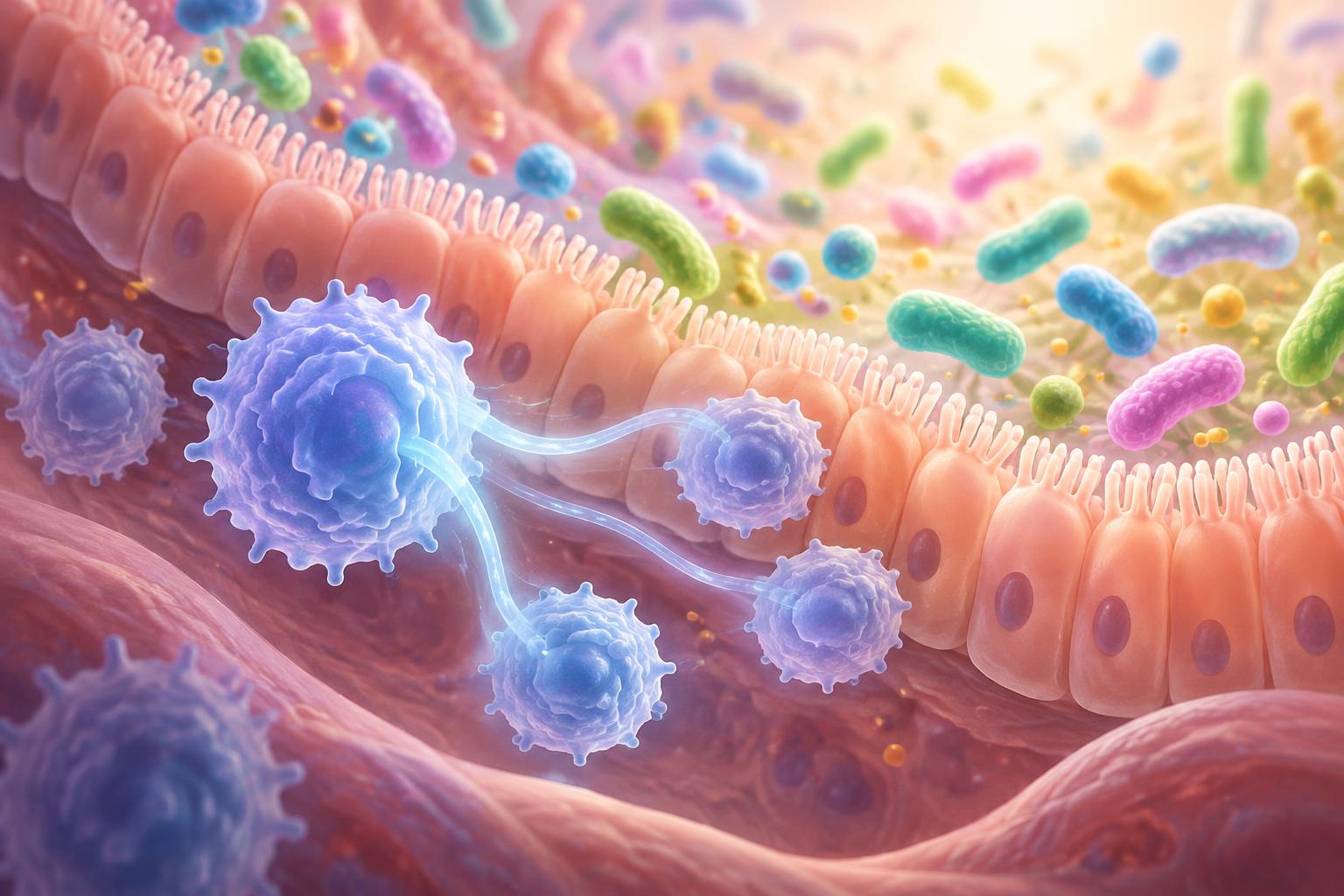
Research reveals how immune cells tolerate beneficial gut bacteria
St. Jude researchers identified a COMPASS pathway through which regulatory T cells suppress inappropriate immune responses to gut bacteria. The work may improve understanding of inflammation and autoimmunity.