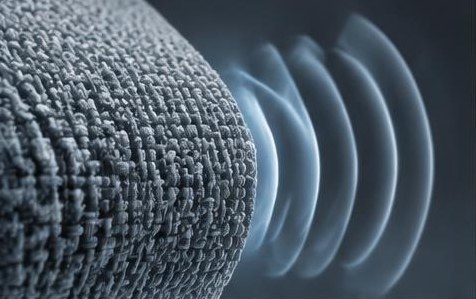
Textiles can not only dampen sound but also detect it. A research team at MIT developed fabric containing a special piezoelectric fibre that converts mechanical vibrations into electrical signals. This does not produce an invisible mass-produced microphone for every garment, but it does offer a remarkable approach to incorporating sensors into familiar textile manufacturing processes and distributing them across the fabric.
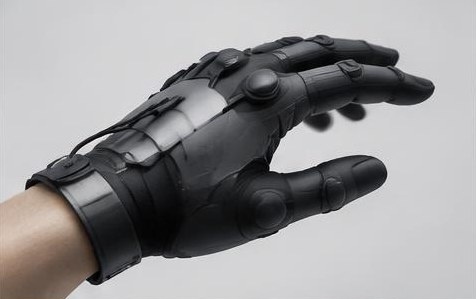
Anyone reaching for a cup in a virtual scene normally feels no resistance. DextrES addresses this gap: flexible metal strips are electrostatically braked against one another, limiting finger movement. The joint research approach from EPFL and ETH Zurich demonstrates tangible grasping with little mass, but remains far from a complete simulation of real hands.
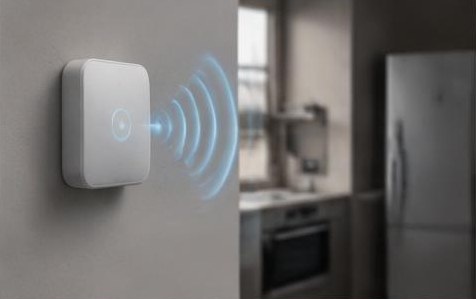
Many electrical devices unintentionally emit electromagnetic interference during operation. EM-Sense investigates whether these signals can be detected through the body when a device is touched. A watch-format research prototype distinguished between various objects without additional tags on the devices. This is a specialised sensing technique, not a general ability to identify every object touched reliably.
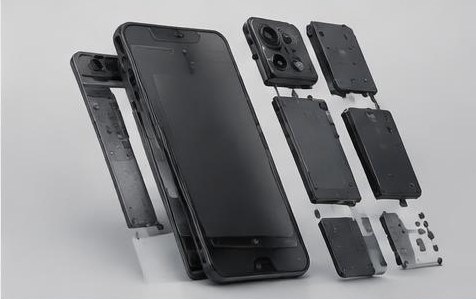
A smartphone already consists of many parts. What matters is whether those parts remain accessible and replaceable later on. With the Fairphone 5, repair instructions and separately available components are part of the product concept. Its technical distinction lies less in any single new material than in a device architecture that takes typical repairs into account from the design stage.
Daily AI research begins at 6 am Berlin time. Up to three recent stories per topic are summarised in our own words and linked to original sources. No politics.
Saturday, 31 October 2026
AI illustrationInventions
Google Gemini can edit documents directly
Google announced features for creating, previewing and editing documents, PDFs, presentations and spreadsheets in the Gemini app. The company says the capabilities are available in all languages supported by the app.
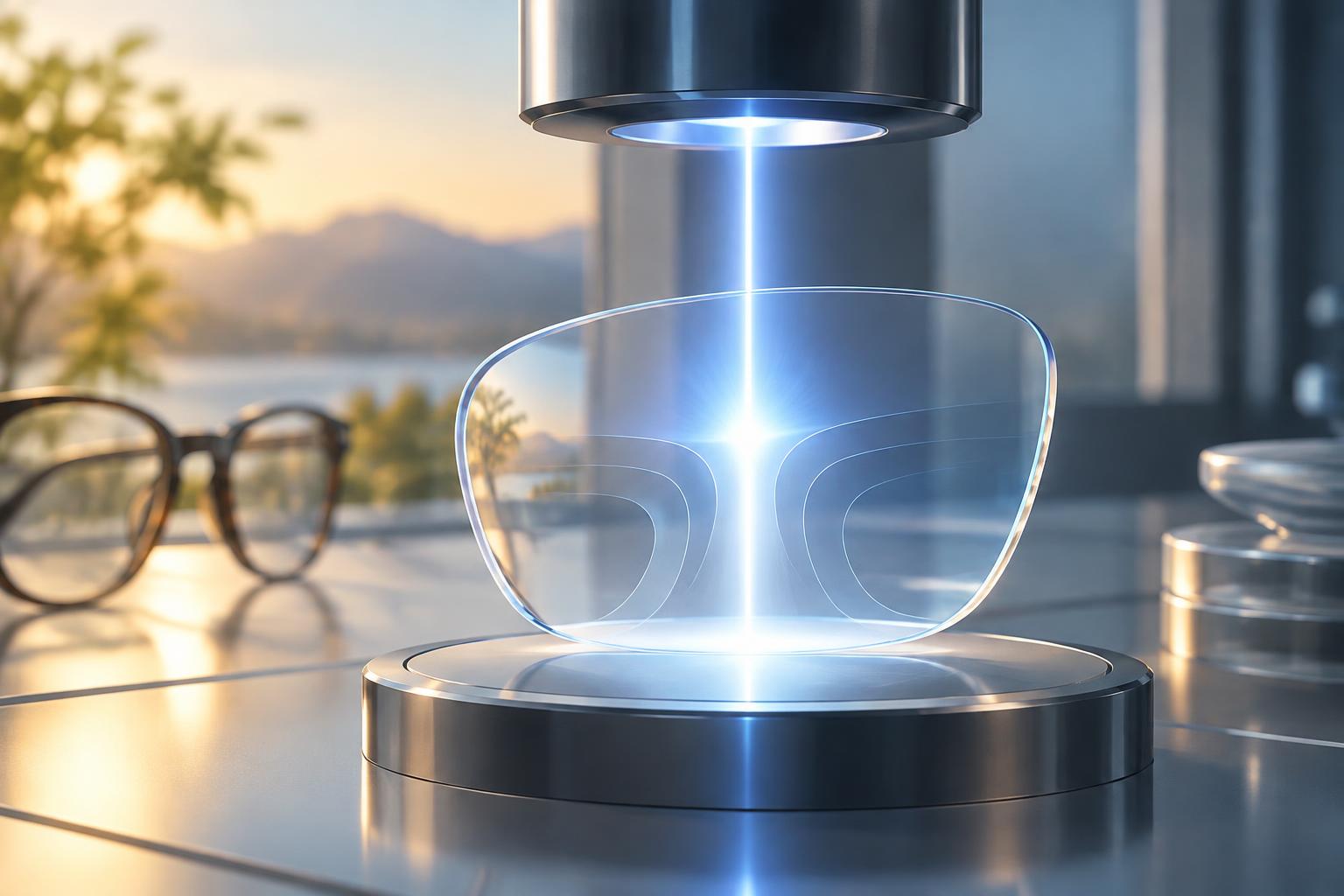
IOT unveils light-based process for progressive lenses
IOT said its Light-Form process can form personalized progressive lenses in a single light-based step, which the company described as a first. According to IOT, formation takes seconds and avoids conventional generating and polishing.
The new Claire™ device uses artificial intelligence to help surgeons precisely assess tissue margins during breast surgery. This innovation was recently recognized as one of the best inventions of 2026.
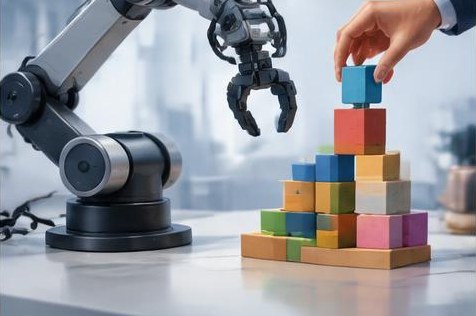
New AI system teaches robots through demonstration
A UK startup has developed a system that allows robots to learn new tasks after just a single human demonstration. This technology simplifies the adaptation of robots to changing jobs in manufacturing.
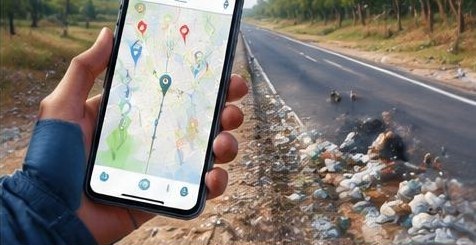
A software developer has created an AI application that automatically detects and maps roadside litter while driving. This data helps authorities plan cleanup efforts more efficiently.