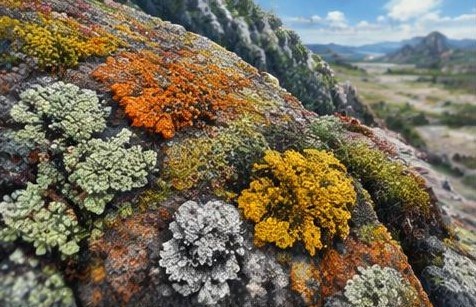
On tree bark and stones, lichens often look like inconspicuous patches of colour. In fact, they bring fungi together with photosynthetically active partners to form small living communities. Their sensitivity to environmental conditions makes them interesting to observe. Yet neither every lichen nor every change in its growth can be interpreted through a single, simple explanation.
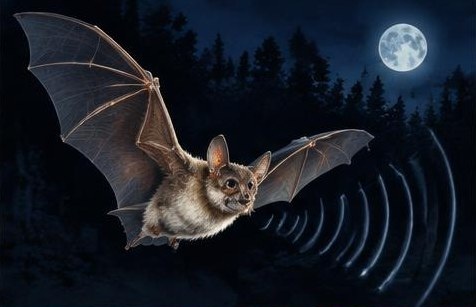
For many bats, darkness is not an obstacle that must be overcome through sharper eyesight alone. They use returning echoes of their own calls to perceive their surroundings. Nevertheless, bats are not blind. Their perception combines several senses, and their varied ways of life do not fit the simple image of a single type of nocturnal insect hunter.
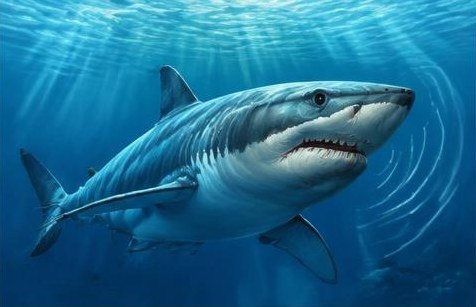
A prey fish can be hidden yet still leave traces: muscle movements generate weak electric fields. Many sharks detect these signals. Their electrical sense complements smell, hearing and sight, but does not replace them. Understanding this perception therefore means looking more closely at distances, habitats and the diversity of shark species.
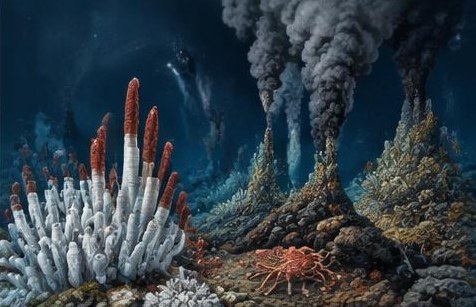
At hydrothermal vents, hot, mineral-rich fluids meet cold seawater. Dense communities of organisms can develop there, with a food base that relies partly on chemical energy rather than directly harnessed solar energy. The animals do not simply live in the hottest water, however. Transition zones, microorganisms and finely balanced relationships with a dynamic environment that is often difficult to access are crucial.
Daily AI research begins at 6 am Berlin time. Up to three recent stories per topic are summarised in our own words and linked to original sources. No politics.
Sunday, 1 November 2026
AI illustrationAnimals & Nature
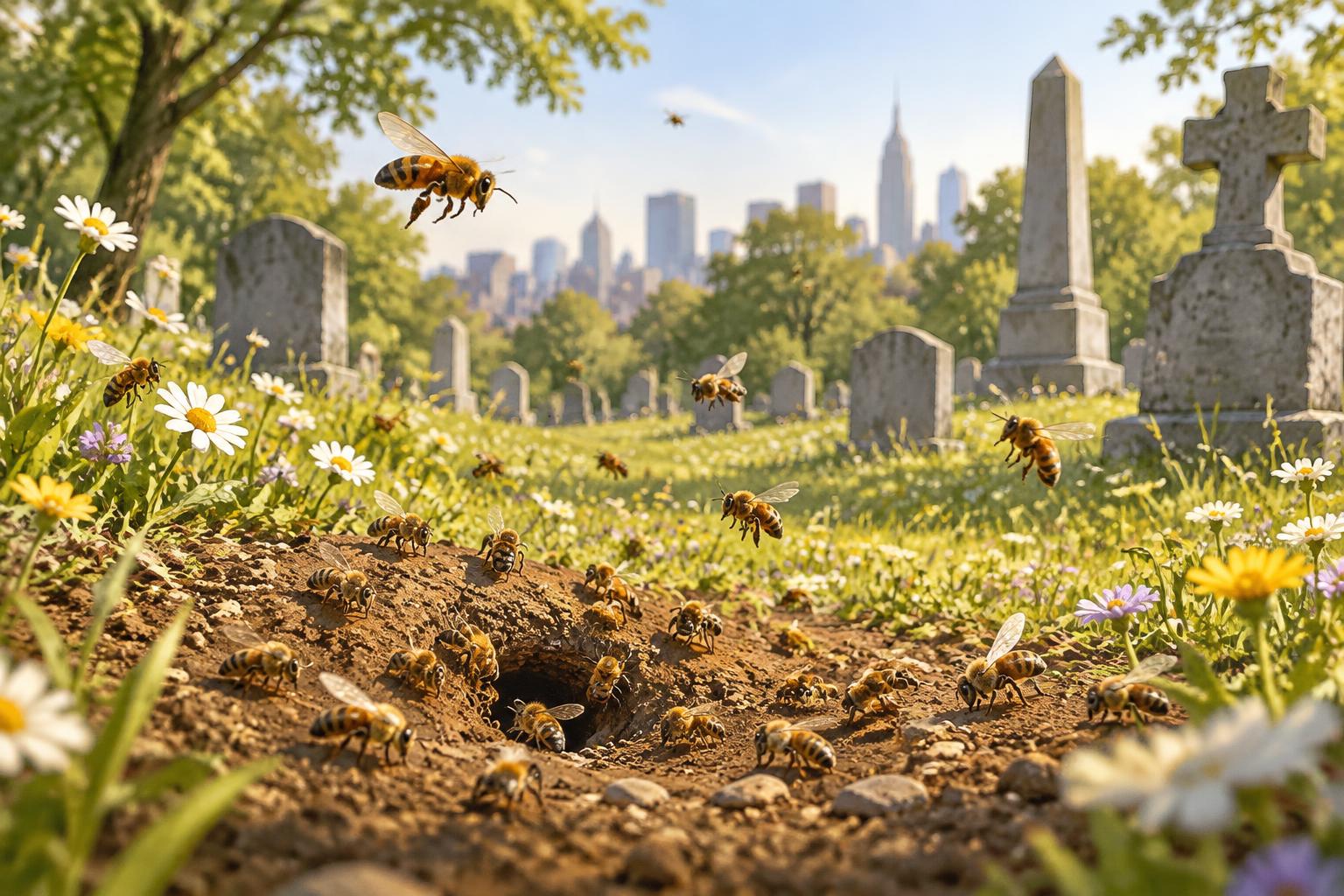
Massive bee population discovered in New York cemetery
Researchers discovered a massive nesting site in a New York cemetery containing an estimated 5.5 million ground-nesting wild bees. This find highlights the vital role that such often-overlooked habitats play in essential pollination.
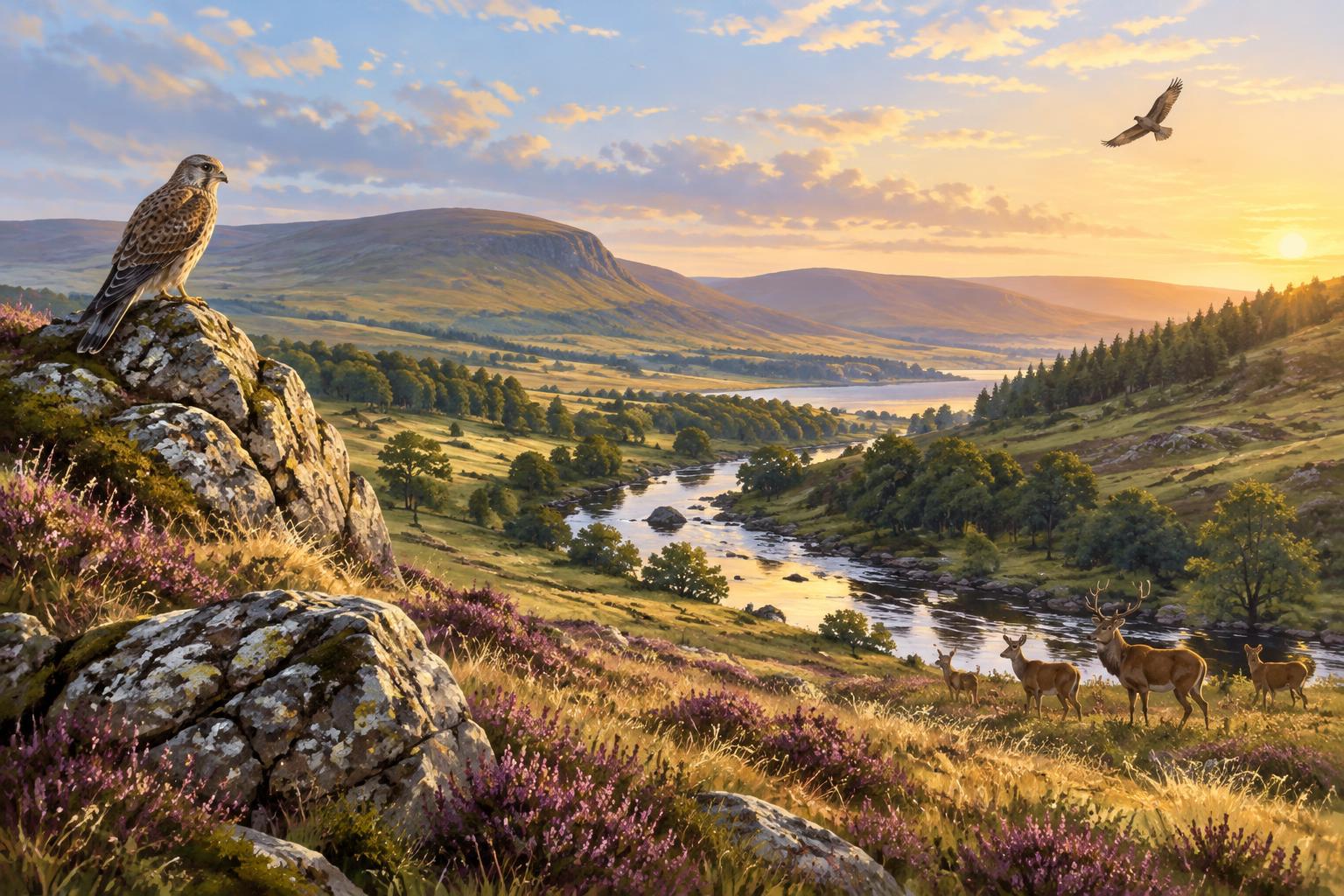
Major conservation milestone reached for Northumberland estate
The Wildlife Trusts have successfully raised £30 million to purchase a large estate in Northumberland, which will be managed for ecological restoration and rewilding.
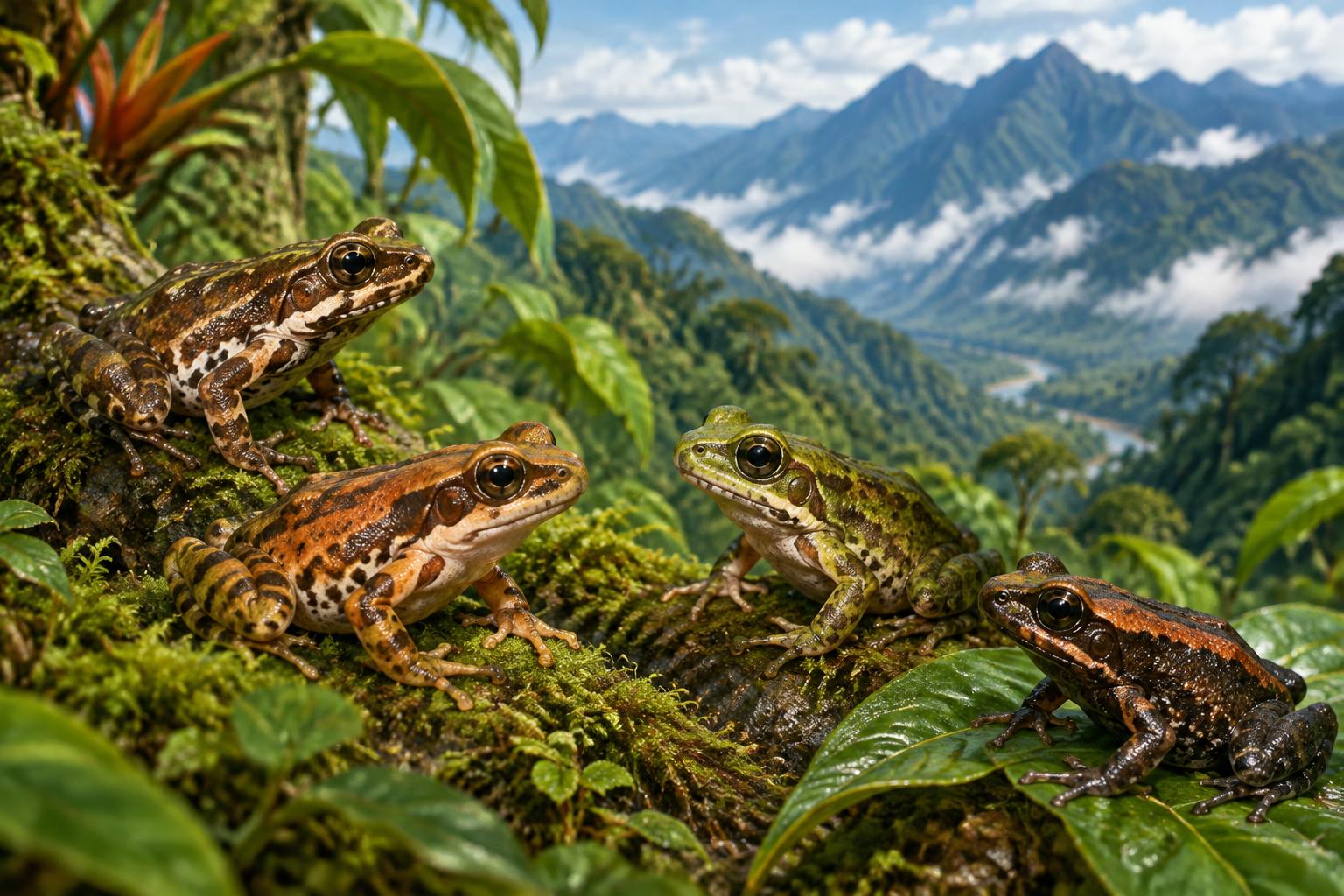
A team including FIU biologist Alessandro Catenazzi described four new Oreobates frog species collected near Peru’s Cordillera Azul National Park. The classification uses morphological, acoustic and genetic evidence.
New project launched to protect Fiji's Great Sea Reef
A new initiative has been launched to conserve the ecologically valuable Great Sea Reef in Fiji. The project strengthens protection for this significant marine ecosystem.
Nearly $20 million raised to protect pristine land in Queensland
Nearly $20 million has been raised to purchase and protect the Wooroora station in Queensland. The land connects important forests and is home to twelve endangered species.
Wildlife Trusts hit £30m target to protect and rewild major estate
Tens of thousands of people helped raise over £30 million to purchase and rewild the Rothbury estate. This 3,800-hectare area represents a significant opportunity for nature conservation.