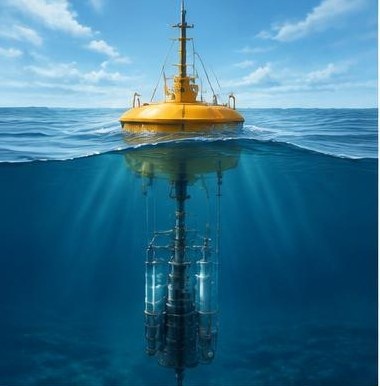
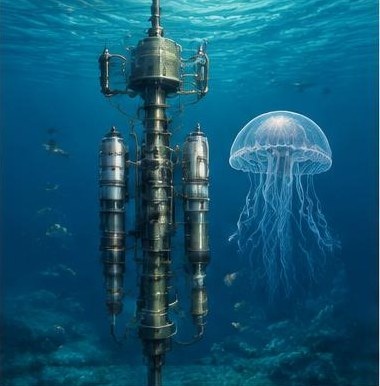
Research vessels can only ever reach a small part of the sea. Argo floats complement them with repeated autonomous dives and vertical measurement profiles. Temperature, conductivity and pressure allow comparisons of the ocean’s internal structure. The principle of global observation is established, but individual profiles remain snapshots whose quality and spatial representativeness must be checked.
Oxygen, nitrate, pH and optical signals broaden the view provided by autonomous ocean buoys. Such measurements can show how biological activity and chemical conditions are linked. They do not, however, simply count every organism. Between a sensor signal and an ecological conclusion lie calibrations, biogeochemical cycles and models whose assumptions must be carefully disclosed and independently checked.
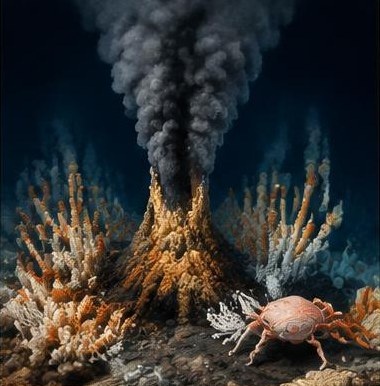
At hydrothermal vents and cold seeps, chemical energy can sustain local food webs. Microorganisms use suitable reactions to build biomass. This does not make these communities independent of energy or completely separate from the rest of the ocean. What matters are flows of substances, the supply of reactants and, often, close partnerships between microbes and animals.
Volunteer observations can cover large areas and long periods. Yet their sheer volume is not enough to support scientific conclusions. Projects need transparent protocols, information on observation effort and procedures for checking unusual reports. Birdwatching provides an example of how personal experience of nature and systematic data collection can work together without concealing uncertainty.
Daily AI research begins at 6 am Berlin time. Up to three recent stories per topic are summarised in our own words and linked to original sources. No politics.
Saturday, 31 October 2026
AI illustrationScience
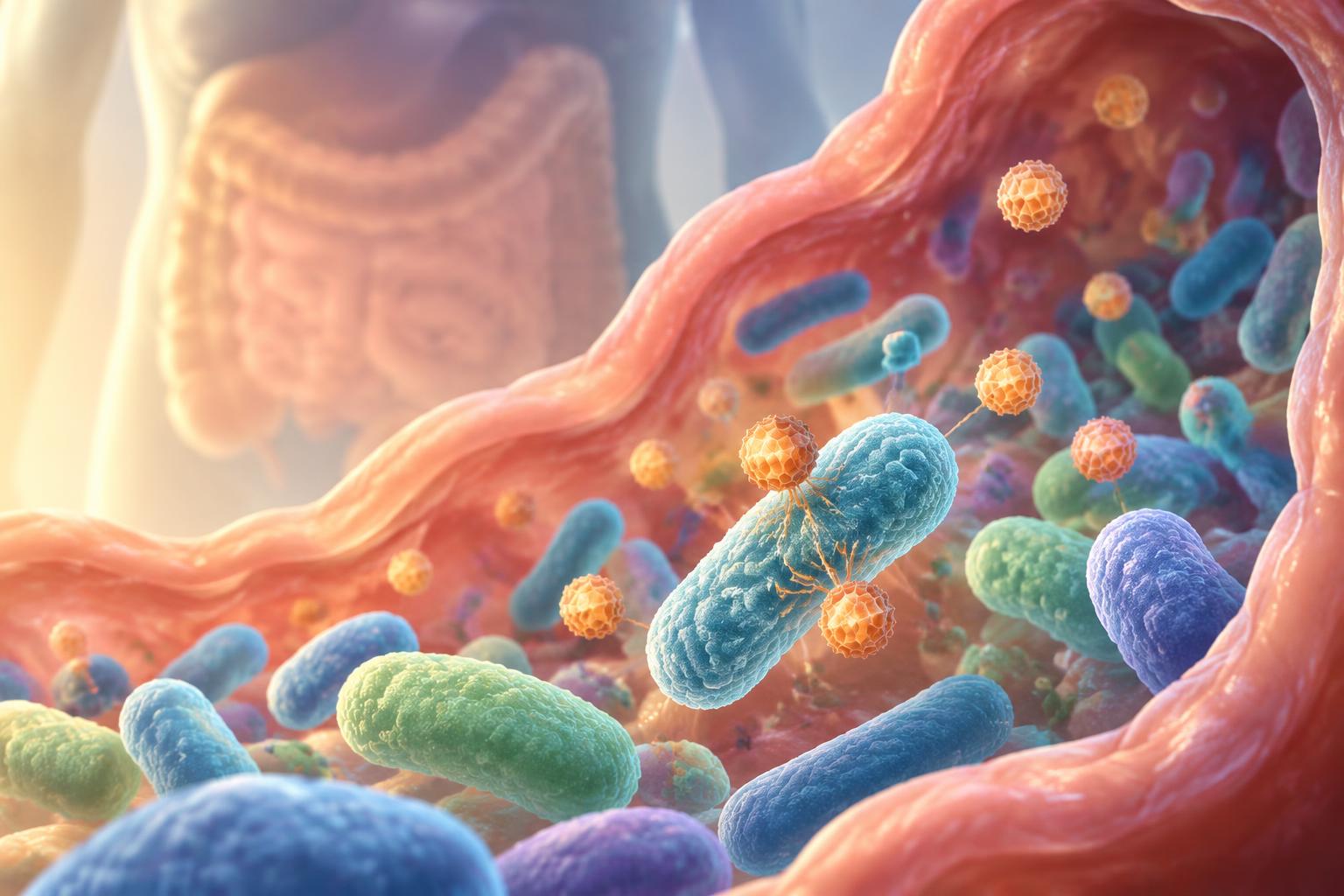
40-year mystery solved: common gut virus infects bacteria, not human cells
Researchers at Washington University School of Medicine found that picobirnaviruses infect gut bacteria rather than human tissue. The finding opens new questions about the role of viruses in the gut microbiome.
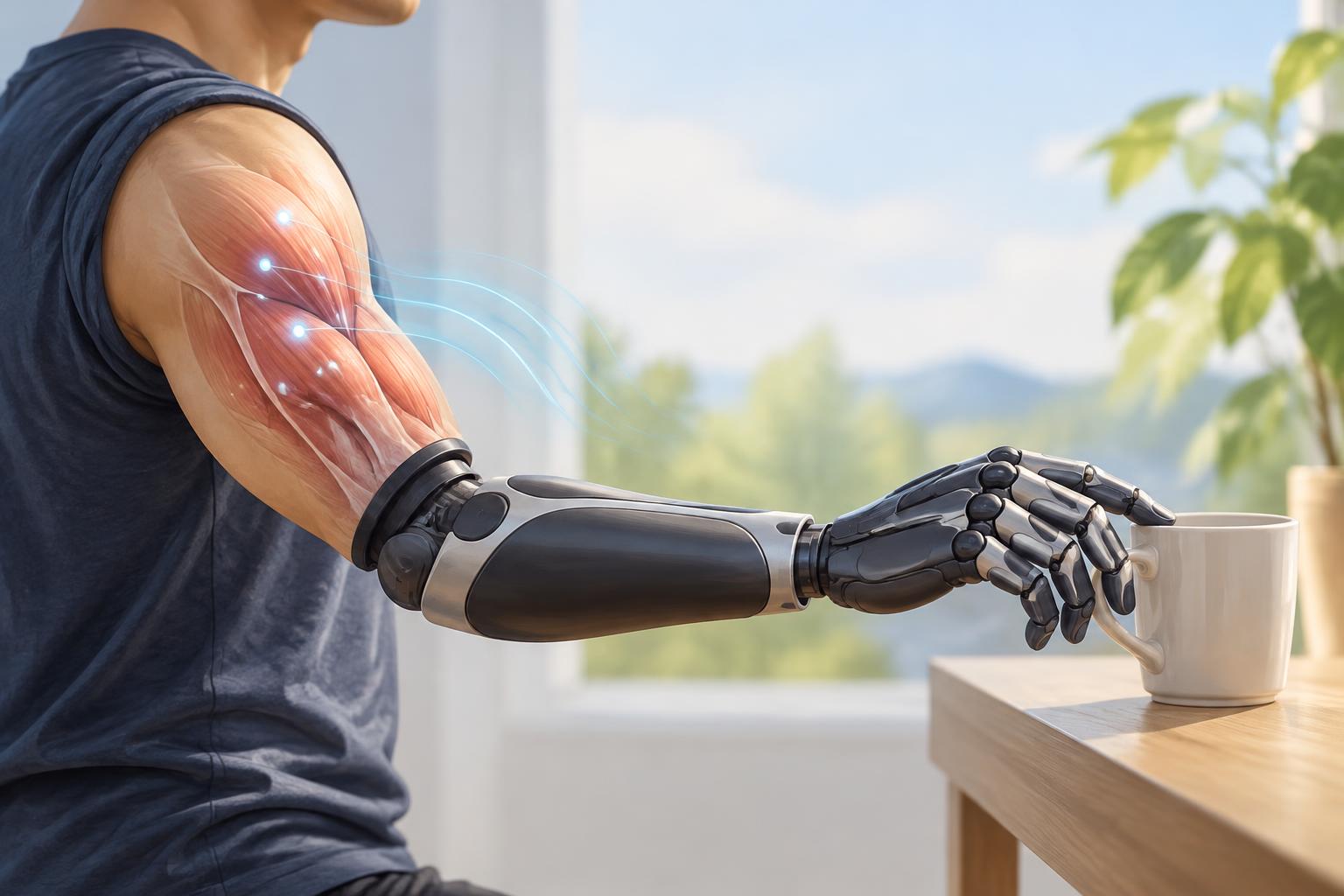
Magnetic sensors track muscle movement for better prosthetic limb control
MIT researchers showed that tiny magnetic beads can accurately track muscle movement. The measurements could help people with amputations control prosthetic limbs more naturally.
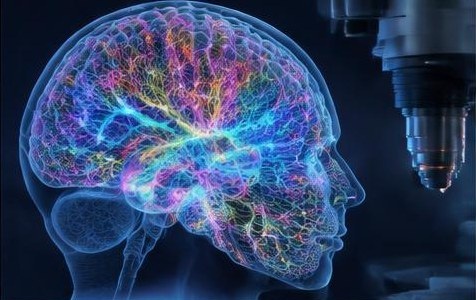
A research team at Rockefeller University has developed TrUDI technology, which increases fluorescence photon yield by 250-fold. This enables scientists to observe cellular processes deeper within the brain with unprecedented precision.
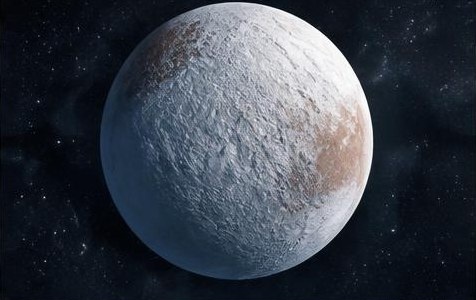
New discovery of a possible dwarf planet in the outer solar system
Astronomers have identified object 2026 ED138 using Vera C. Rubin Observatory data, marking it as a potential dwarf planet beyond Neptune. The discovery highlights the effectiveness of modern software in detecting distant objects.
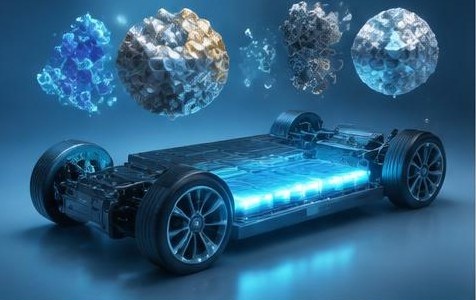
Breakthrough in developing more efficient electric vehicle batteries
Scientists have adapted precision manufacturing techniques from the semiconductor industry to improve the lifespan and performance of anode-free battery systems. This could lead to lighter, more durable batteries with increased driving range.