Put knowledge into perspective, understand new ideas and see the world through fresh eyes: explore our in-depth features. Every article lists its sources. The features are available in German and English and are not breaking-news reports.
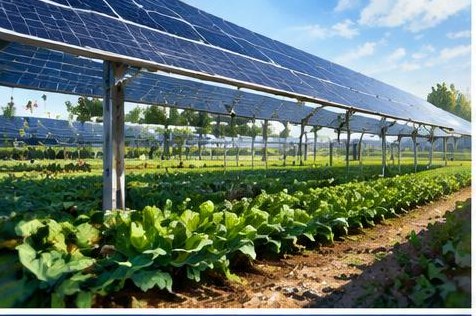
Agrivoltaics combines agricultural use with solar electricity generation. This can ease competition for land, but requires more than elevated panels. Shading, machinery access and water distribution must suit the crop concerned. Research and practical experience reveal different designs and potential benefits, but also clear limits to blanket promises of yields across widely differing locations and farms.
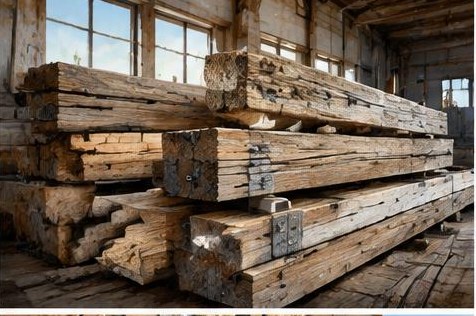
Much of the attention in sustainable construction focuses on new materials. Yet an earlier question is often decisive: what actually needs to be newly manufactured? Retaining suitable existing building fabric and reusing components can avoid demand for materials. This requires careful assessments of existing structures, appropriate planning and a realistic approach to technical and organisational limits.
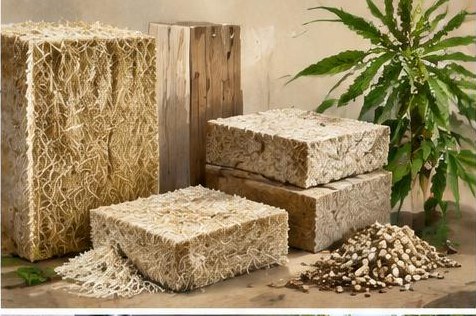
Timber, plant fibres and other bio-based materials can complement or replace conventional building materials in suitable applications. However, their renewable origins do not guarantee a good overall environmental balance. Raw material sourcing, processing, durability and what happens at the end of use are decisive. It is therefore particularly important to relate material properties and environmental impacts to the specific construction task rather than to a general green label.
Soils store water and carbon, support plants and filter substances. Anyone seeking to improve their quality must consider these functions together. More organic matter can help, but does not solve every problem. Compaction, erosion and nutrient imbalances each call for appropriate measures. Progress therefore comes through long-term, site-specific management rather than a single universal recipe for soil.
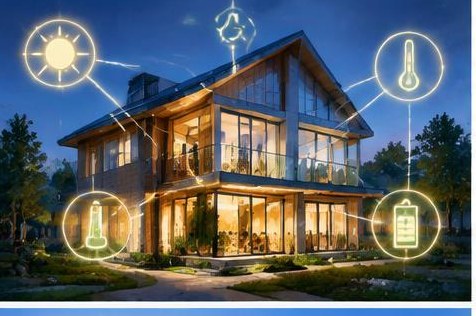
An efficient building can do more than use as little energy as possible. It can shift certain uses to different times and thereby respond better to fluctuations in electricity generation. This requires suitable technology, clear comfort limits and understandable controls. Flexibility complements reductions in consumption, but must not encourage either additional waste or unnecessary dependence on complex systems.
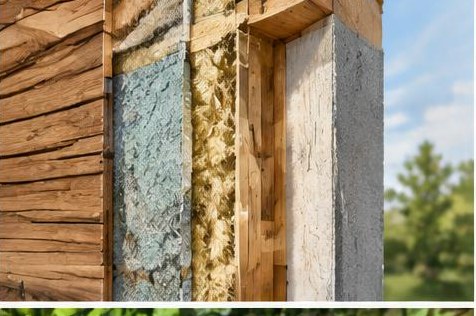
Thermal insulation can reduce a building's heating demand and improve comfort. But its effectiveness depends on how it works with windows, thermal bridges, airtightness and ventilation. Looking only at a material's thickness overlooks important relationships. A well-considered renovation therefore gives equal attention to energy consumption, moisture protection and the long-term use of the existing building.
Not every use in a building requires drinking-water quality. Treated greywater can, for example, be used to flush toilets and reduce freshwater demand. This requires separate pipes, suitable treatment and reliable operation. Whether a system is worthwhile environmentally and economically depends particularly on the building’s size, its pattern of use and the local water situation in each individual case.
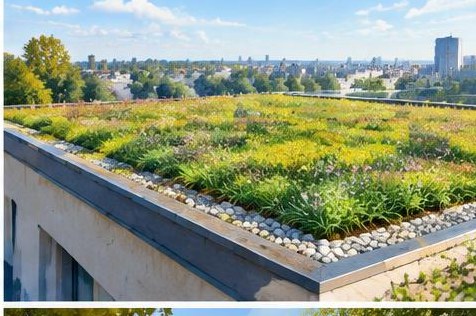
A green roof is more than an additional planted area. It can store rain temporarily, delay runoff and contribute to cooling through evaporation. How much it actually achieves depends on its construction and the weather. Retention roofs in particular therefore require careful coordination of structural design, waterproofing, drainage and maintenance secured for the long term.
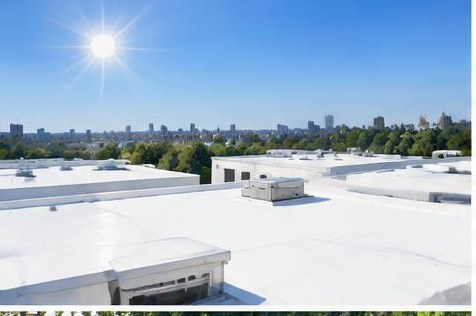
A roof that reflects a great deal of sunlight can heat up less than a dark surface under the same conditions. This can limit heat entering the building in summer. However, the extent of the benefit inside the building depends on climate, insulation and use. Light-coloured roofs are therefore a location-dependent solution, not a universal cooling trick.
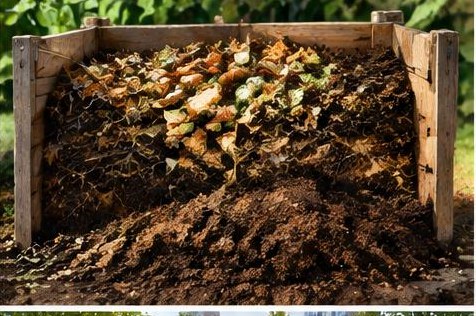
Composting can turn organic residues into a usable soil improver. Compost supplies organic matter and nutrients and can improve certain soil properties. But not every soil needs the same amount, and contamination remains a problem. Its environmental benefits therefore begin with clean collection and extend to application according to need at a suitable site.
Drained peat soils lose their stored carbon because peat decomposes when exposed to oxygen. Rewetting can significantly limit these losses. However, it changes the conditions for agriculture and infrastructure. Paludiculture offers opportunities for farming under wet conditions, but requires suitable water levels, adapted machinery and routes to market. Restoration is therefore a long-term water and land management project.
Passive solar architecture uses building form, windows and thermal mass to incorporate solar energy without elaborate technology. But a house must work in more than just winter. Large areas of glazing can become a burden in summer. Good design therefore combines solar gains with shading, daylight and a robust strategy against overheating in rooms used in different ways.
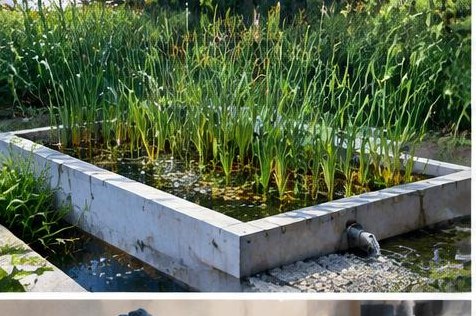
Planted treatment systems combine engineering design with biological and physical processes. They can form part of water reuse or decentralised wastewater treatment. Their performance, however, does not come from plants alone. Microorganisms, filter media, water flow and loading are also crucial. Nature-based therefore means neither maintenance-free nor automatically suitable for every site and every water quality.
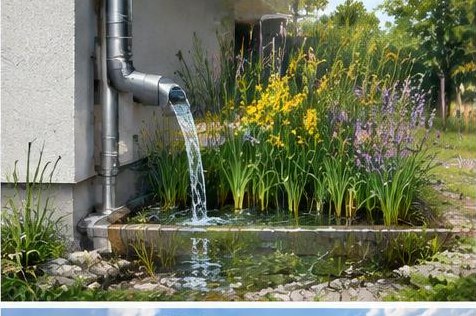
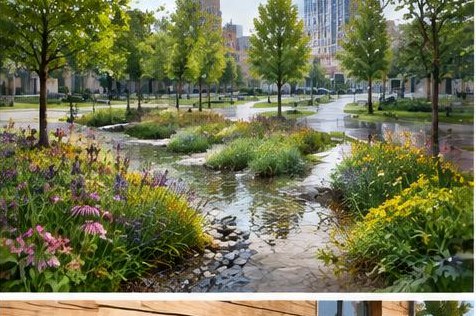
Cities have to cope with heavy rainfall as well as longer dry spells. The sponge city approach seeks to retain, use or infiltrate water where it falls. This requires connected spaces and suitable soils. Water quality is also crucial: not all runoff can be allowed to enter the ground untreated.
Using a smartphone for longer can reduce demand for new devices and their materials. For this to happen, a repair must be technically possible, affordable and worthwhile in everyday life. A study by the European Joint Research Centre (JRC) shows that repairability has several dimensions: design, spare parts and service are just as much a part of it as clear information for carrying out repairs.
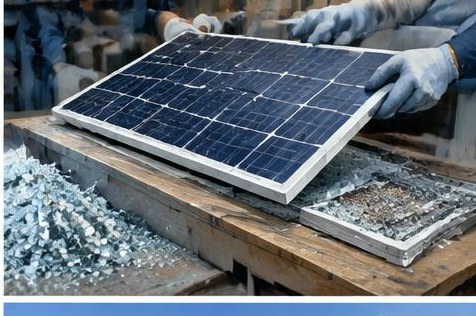
End-of-life solar panels contain glass, aluminium, copper, silicon and other valuable materials. Recycling them is therefore more than a waste-disposal issue. What matters is the purity of recovered materials and their reuse. Research demonstrates technical possibilities, but substantial practical and organisational tasks still stand between a successful process and a widespread, economically viable material cycle.
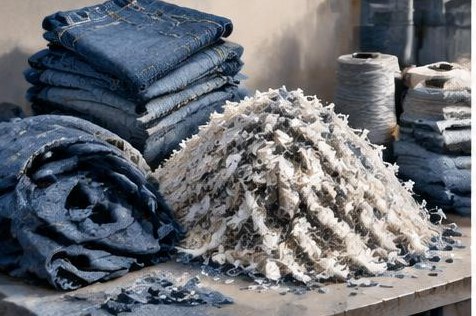
Separate collection can prevent used textiles from going straight into residual waste. But it does not in itself create a closed material loop. Sorting, fibre composition and available recovery options determine what happens next. Alongside recycling, the European Environment Agency therefore emphasises quality, longer use, repair and reuse above all as interconnected tasks for the entire textiles system.
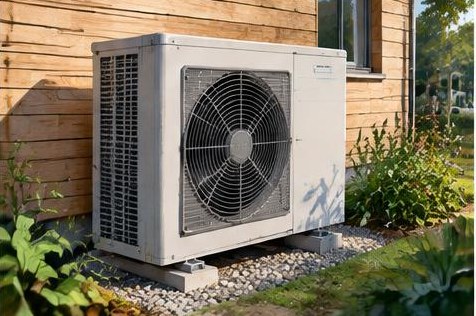
A heat pump can make ambient heat usable in buildings and significantly reduce the need for purchased energy. How well this works, however, is not determined by the unit alone. Heat emitters, flow temperatures, the condition of the building and controls all interact. A closer look at these relationships helps to develop realistic expectations and avoid unnecessary alterations.
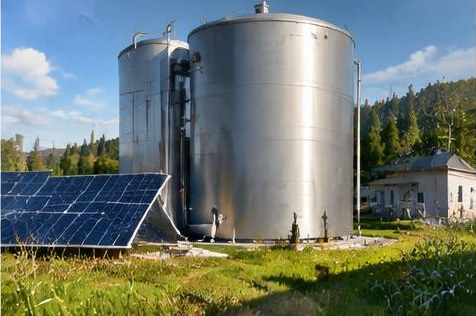
Energy does not always have to be stored in a battery. Where heating or cooling will be needed later, thermal storage can be a suitable solution. Its possibilities range from hot-water tanks to specialised industrial applications. Temperature, storage duration and actual demand are decisive – not simply the largest possible capacity on a datasheet.
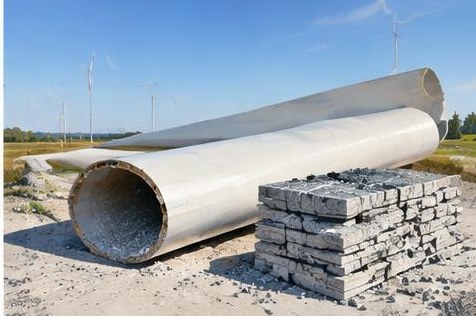
Steel and other metals in a wind turbine can, in principle, be readily recovered. Rotor blades pose more difficult challenges for the recycling industry: their fibre composites are designed for strength and durability. New resins open up additional possibilities. Whether these lead to robust industrial material cycles, however, depends on material quality, energy requirements, logistics and commercial demand for the recovered materials.