
A universe of possibilities
Aevoriana Station
A universe of possibilities · WeltraumFeed · Travel
Every day, this feed brings together fresh, easy-to-read news from many fields – from science and space to nature and the environment, art, music and good news. New discoveries are added every morning.
Discovery article
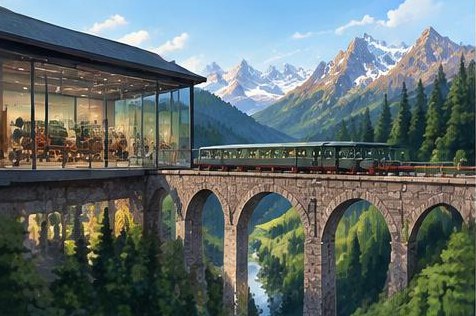
The Albula Railway: In Bergün, the view gains a backstory
A journey through the mountains of Graubünden feels different when you understand the engineering that makes it possible. The Albula Railway Museum in Bergün connects historic plans and everyday objects with the UNESCO World Heritage railway line. Rather than covering as many miles as possible, it is worth taking a trip with a break: first observe, then understand, and afterwards look again more closely.
Discovery article
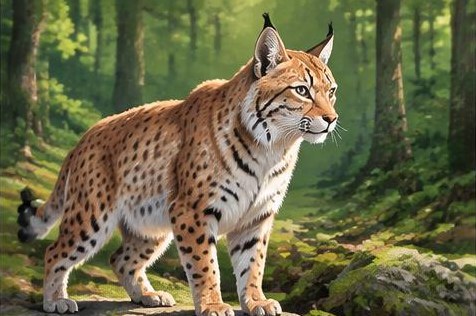
Bavarian Forest: getting closer to the lynx without pursuing it
A lynx cannot be ordered up like a tourist attraction. In the Bavarian Forest, this very uncertainty offers a valuable approach to observing nature. Educational activities and outdoor animal enclosures help visitors learn about this elusive cat and the research into it. A clear distinction between an animal in an enclosure and a chance encounter in the wild remains essential.
Discovery article
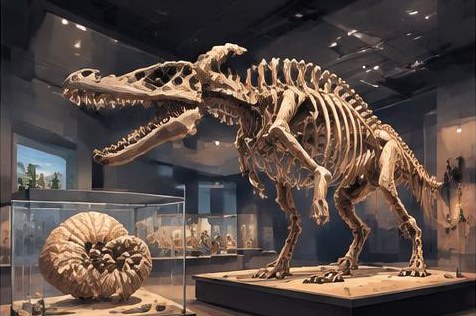
Berlin: Discovering Natural History Along Your Own Route
Berlin's Museum für Naturkunde is not just a home for large skeletons, but a place of scientific collections and open questions. For an accessible cultural visit, a personal route is more worthwhile than a complete circuit. The museum explicitly identifies existing barriers; this transparency helps visitors prepare realistically and according to their own needs.
Discovery article
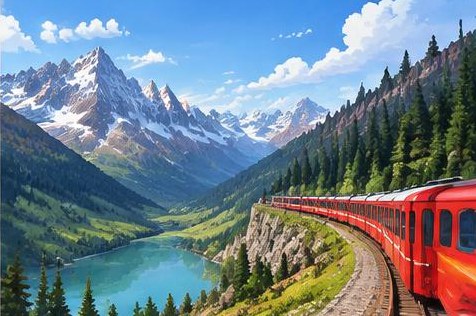
Discovering the Bernina: A railway journey is more than a panoramic photograph
The Rhaetian Railway’s UNESCO World Heritage line combines engineering history with impressive landscapes between Thusis and Tirano. A less tightly scheduled approach is particularly worthwhile on a well-known route. Those who prepare what they want to observe, allow for breaks and do not organise everything around a particular train service experience the journey more attentively and with less pressure from expectations along the way.
Discovery article
Orth an der Donau: Floodplain life between observation points and river dynamics
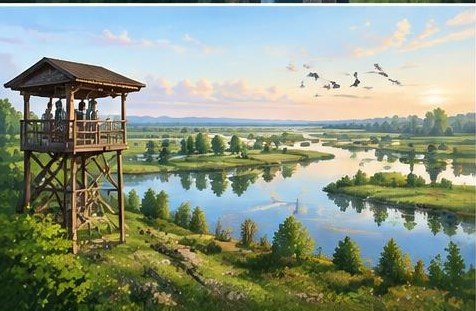
In the Donau-Auen, water is not merely a backdrop but a shaping force. Around Orth, this can be combined with wildlife watching. The Schlossinsel offers an interpreted introduction, while the surrounding area reveals broader ecological connections. It is important to distinguish between animals in enclosures and free-living species, and to check current path closures.
Discovery article
Dresden: Examining Your View of Humanity at the Hygiene Museum
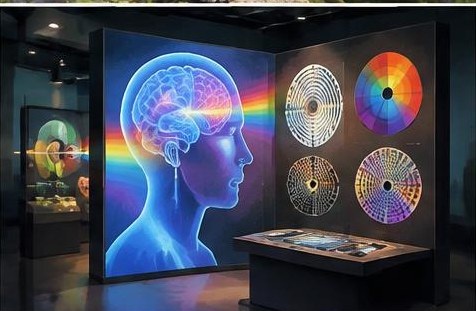
The Deutsches Hygiene-Museum sees itself as a museum of the human being. Its permanent exhibition combines knowledge of the body with questions about perception, science and self-image. The institution is particularly interesting for accessible cultural travel because it describes physical measures and different forms of interpretation in specific terms. A good visit begins with choosing the approach to the subject that suits you personally.
Discovery article
Stars over the Eifel: Look up outdoors, respect protected spaces
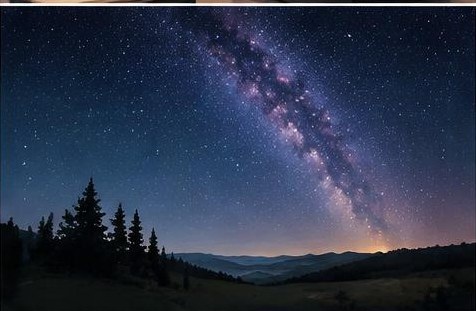
The Eifel National Park protects not only forests and animals, but also the natural night. For travellers, this means an important distinction: the dark sky is an invitation to observe, but the national park itself is not a night-time adventure playground. Officially recommended sites nearby combine astronomy with consideration for habitats sensitive to disturbance.
Discovery article
Frankfurt: Leaving familiar ways of finding your bearings behind at the Dialogmuseum
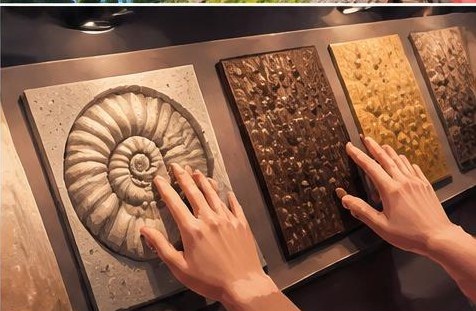
At Frankfurt’s Dialogmuseum, blind or partially sighted experts guide visitors through a lightless course. The visit changes familiar roles and directs attention towards hearing, touch and communication. As a cultural travel destination, the museum is particularly rewarding when the experience is not mistaken for a complete picture of blind people’s everyday lives.
Discovery article
Garching: A journey into space that does not wait for clear weather
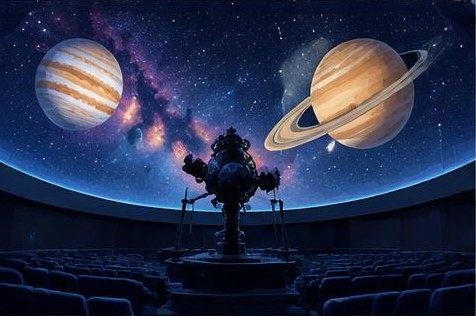
Astronomy trips need not depend on cloudless nights. The ESO Supernova in Garching combines an interactive exhibition with a planetarium, bringing research to life. Visitors who consciously distinguish between the two formats gain a useful foundation for later skywatching. A visit is particularly well suited to preparing questions rather than simply consuming spectacular images of the universe.
Discovery article
Ries Geopark: A Cosmic Event in an Everyday Landscape
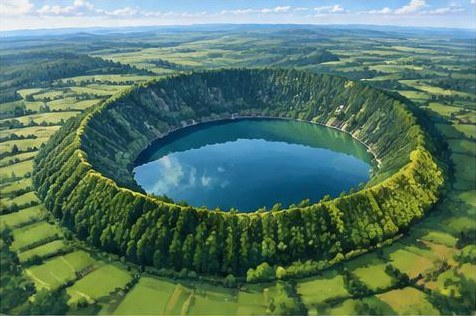
In the Nördlinger Ries, an enormous impact crater lies not behind a barrier, but beneath towns, fields and transport routes. It is precisely this inhabited normality that makes the region fascinating. Viewpoints and geological interpretation help visitors understand how an event around 15 million years ago continues to leave a clearly recognisable mark on the landscape.
Discovery article
Messel Pit: Seeing Fossils and Understanding Their Limits
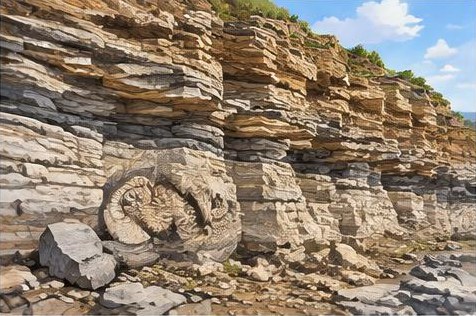
Messel Pit has preserved not only bones, but, in some fossils, hair, feathers or stomach contents too. This exceptional preservation makes the site a window onto a world around 47 million years old. A visit combines wonder with an important question: what can actually be inferred from such finds?
Discovery article
Hainich: forest perspectives with precise accessibility planning
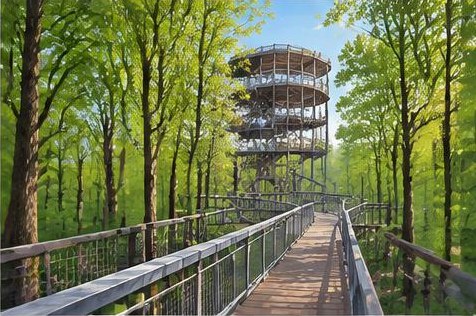
The treetop walkway in Hainich reveals a habitat that is otherwise difficult to reach. A lift makes access easier, but not every part of the site is equally accessible. For a successful trip, it is therefore worth looking at specific routes, individual needs and weather conditions rather than relying on a blanket promise of a fully accessible nature experience.
Discovery article
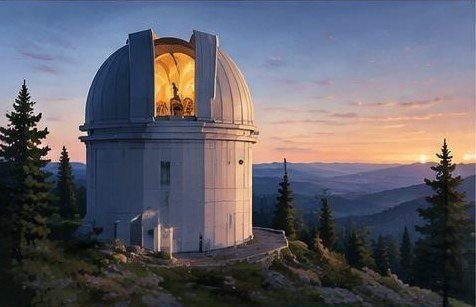
Potsdam: The Einstein Tower is more than an architectural subject
On Potsdam’s Telegrafenberg, the Einstein Tower combines striking architecture with solar research. Precisely because the building remains in scientific use, visiting conditions differ from those of an ordinary museum. By combining an exterior view, a digital exhibition and, where possible, a pre-booked guided tour, visitors discover a research site whose function is easily overlooked behind its famous form.
Discovery article
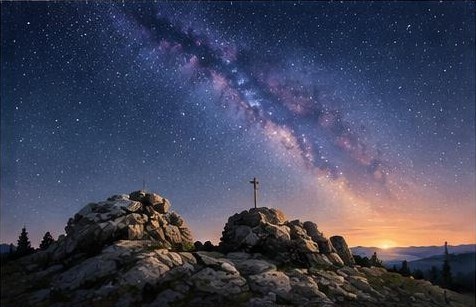
Rhön: A stargazing trip begins with less light
The Rhön combines open landscapes with an unusually dark night sky. Anyone wishing to observe the stars here needs a suitable location, patience and consideration before they need a large telescope. A trip to the dark sky park also shows why natural darkness is a part of the landscape worth protecting, rather than a leisure resource available without limits.
Discovery article
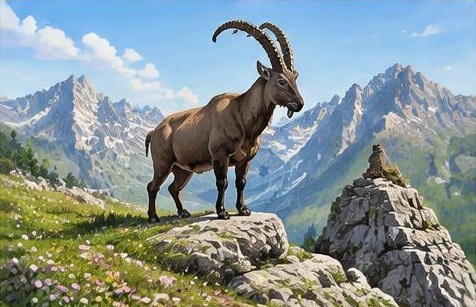
Swiss National Park: Good wildlife watching needs clear boundaries
In the Swiss National Park, visitors’ wishes do not dictate the daily routine. Marked paths, designated rest areas and seasonal protection rules set the framework. Within these limits, marmots, chamois or red deer can be observed with patience. Those who rely on optics and time rather than approaching animals experience the Alpine landscape more closely and disturb its inhabitants less.
Discovery article
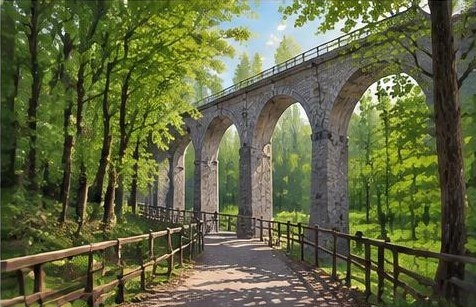
Semmering: walking the railway between engineering and landscape
At Semmering, a historic mountain railway can be experienced from two perspectives: from the train and from public walking trails. The appeal lies in alternating between the two. By choosing short stages, checking current trail conditions and allowing enough time for the return journey, visitors discover engineering as part of an inhabited landscape rather than as an isolated attraction.
Discovery article
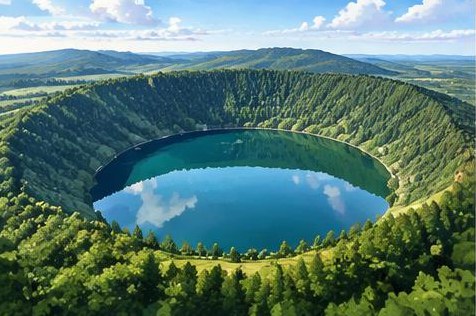
Vulkaneifel: why not every maar is a blue lake
The Vulkaneifel's well-known lakes tell only part of the story. Some maars have silted up; others survive as dry depressions. Travelling with this knowledge reveals a more varied volcanic landscape and prevents visitors from assuming that every round expanse of water was formed by the same process. A geopark visit is particularly rewarding when observation and expert explanation come together.
Discovery article
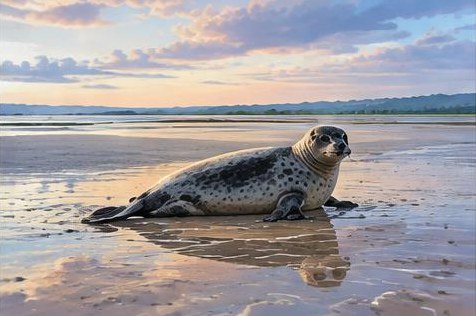
Wadden Sea: watching seals without driving them into the water
A resting seal is not an animal waiting to be entertained. Sandbanks in the Wadden Sea are important refuges for rest, raising young and moulting. Anyone hoping to see harbour seals or grey seals should therefore start with distance, tides and conservation rules. Good observation means that the animals change their behaviour as little as possible.
Discovery article
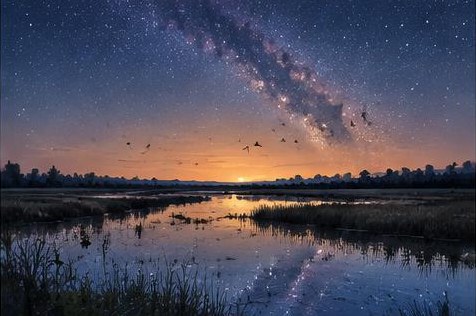
Westhavelland: Plenty of sky, no need to hurry
In Westhavelland, darkness itself becomes a travel destination. The expansive landscape offers good conditions for a first encounter with the Milky Way, but the moon’s position and summer twilight alter the experience considerably. Those who use official observation sites and stay for a few nights discover more than a single astronomical subject on the horizon.
Discovery article
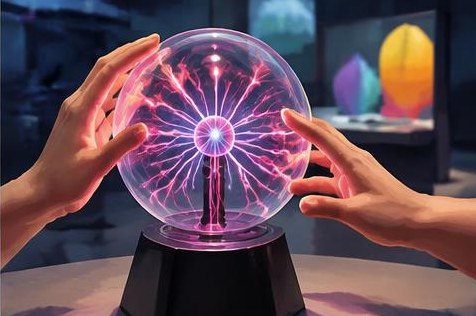
Winterthur: At Technorama, Repetition Is Positively Worthwhile
Technorama in Winterthur is a destination for people who want more than explanations of science. Experimental stations make movement, light, sound and perception directly tangible. The best approach is surprisingly slow: choose a few experiments, change the conditions and repeat the same observation, rather than operating as many stations as possible in succession.
Discover